Published : 2026-05-19
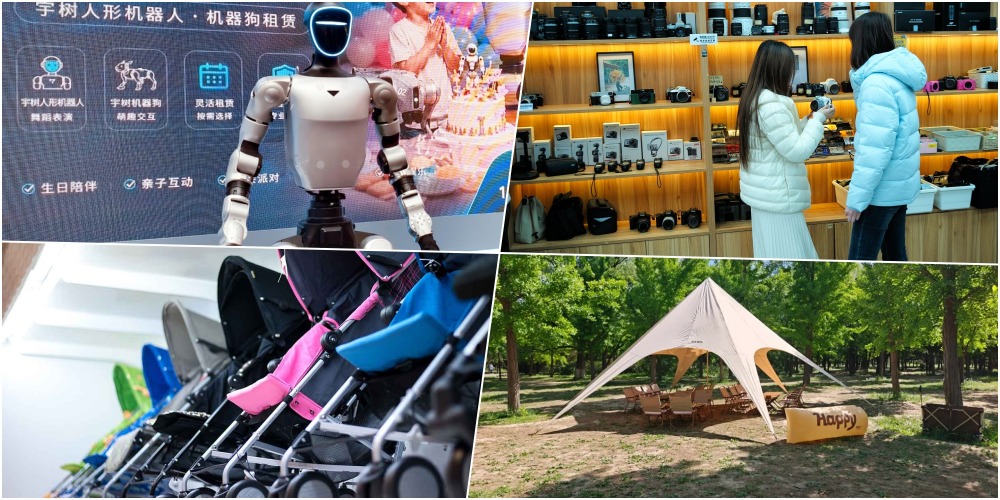
When it comes to rental, people may think of the usual things like renting flats or cars. In fact, popular items such as drones, robots, and concert photography equipment can now be rented for just tens of yuan each day.
According to the latest data, the scale of China's rental economy has already exceeded 4.2 trillion RMB (same currency below) in 2024, and "renting instead of buying" has become a new consumer philosophy for many young people.
Why exactly is "renting" so popular among young people?
The scale of rental economy exceeded 4.2 trillion yuan
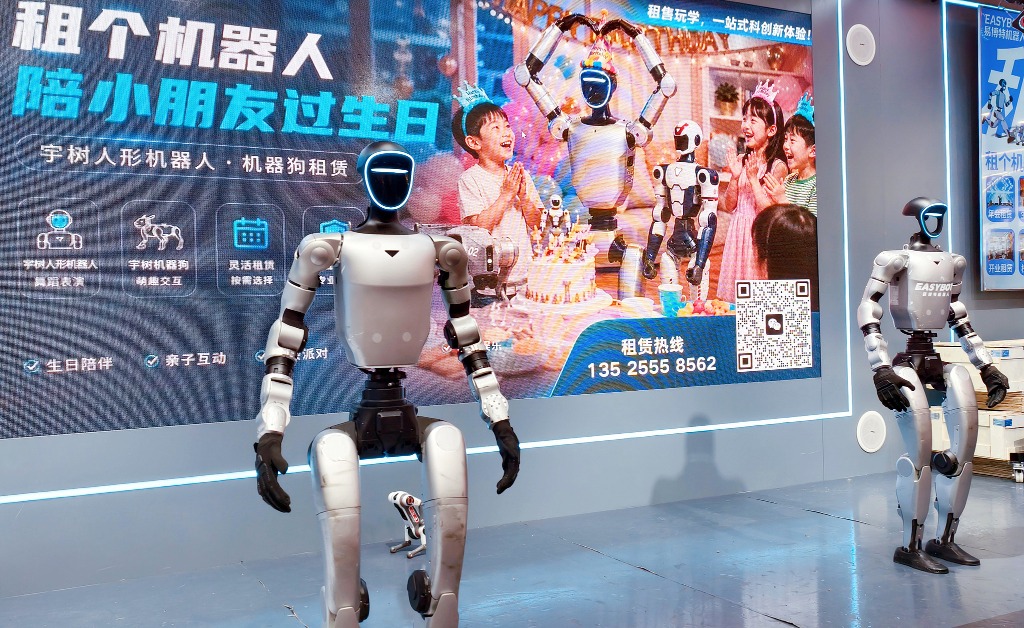
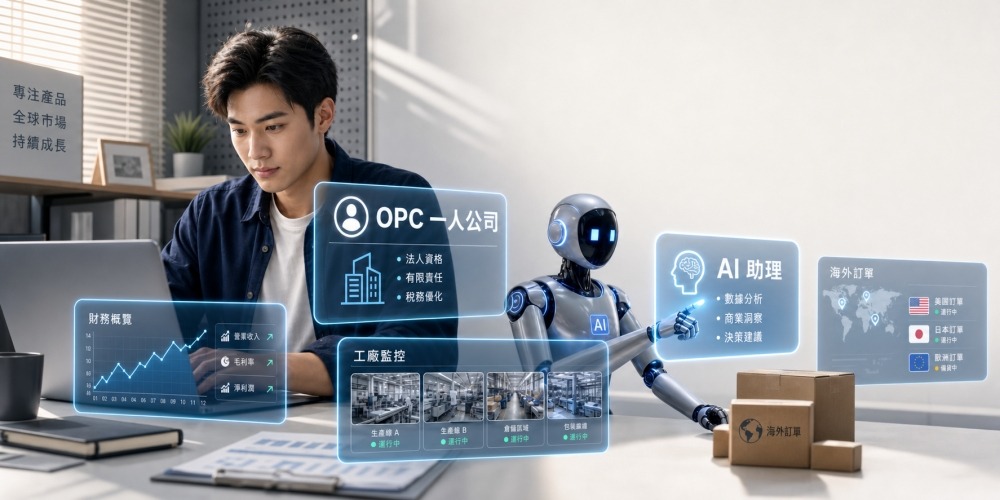
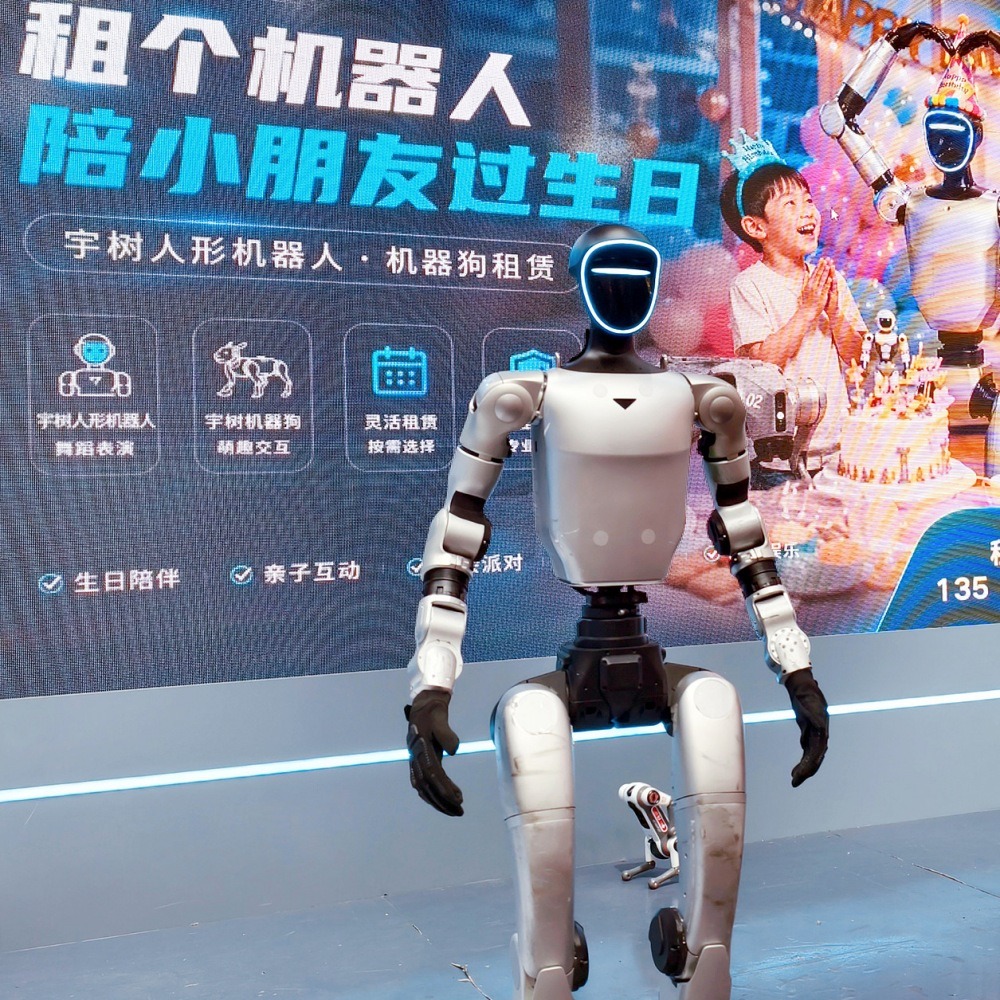
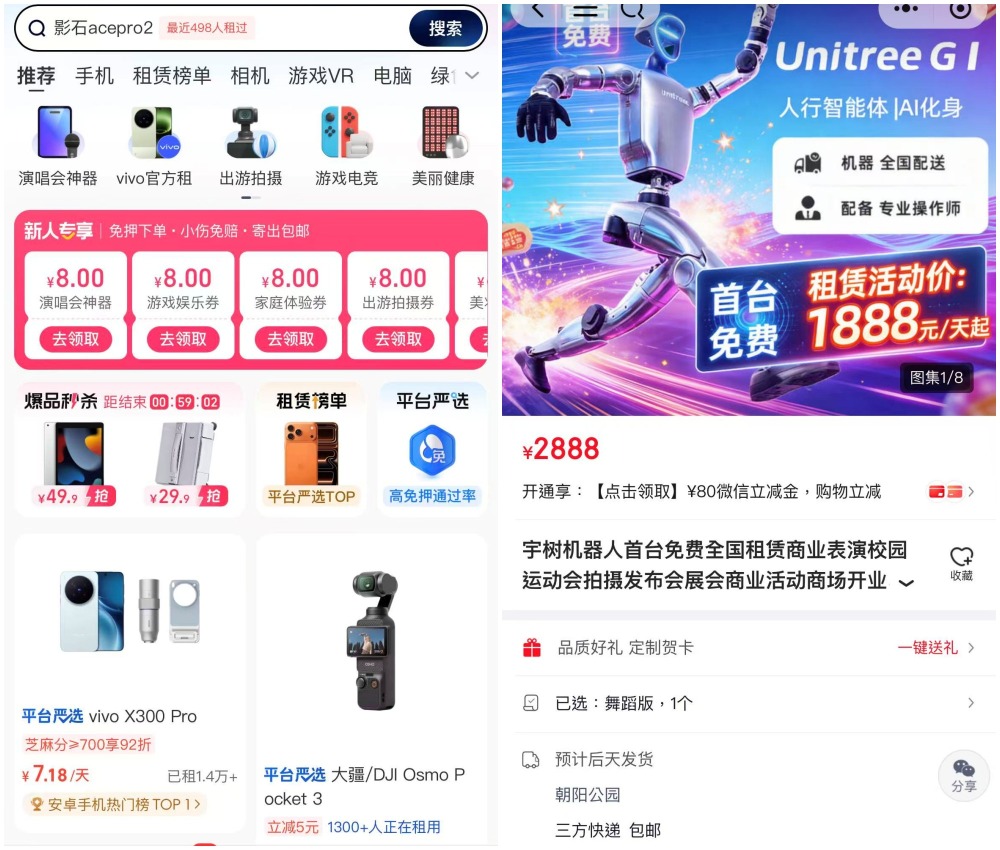
The tentacles of rental economy have already extended into every aspect of our lives. Nowadays, robots, which seemed far away from our lives, can be rented with just a few taps on a mobile phone, as can drones, DSLR cameras and other similar items.
Rental platforms send these high-priced products into the hands of ordinary people, allowing them to satisfy their desire to try new things without worrying the price.
Compiled by the Development Research Centre of the State Administration for Market Regulation and Ant Group "White Paper on the Healthy Development of the Consumer Rental Industry in the Context of the Circular Economy"(hereinafter referred to as the "White Paper") shows that in 2024, the scale of China's rental economy had surpassed 4.2 trillion yuan, a year-on-year increase of 32%, serving over 750 million person.
Why is the rental model so popular now?
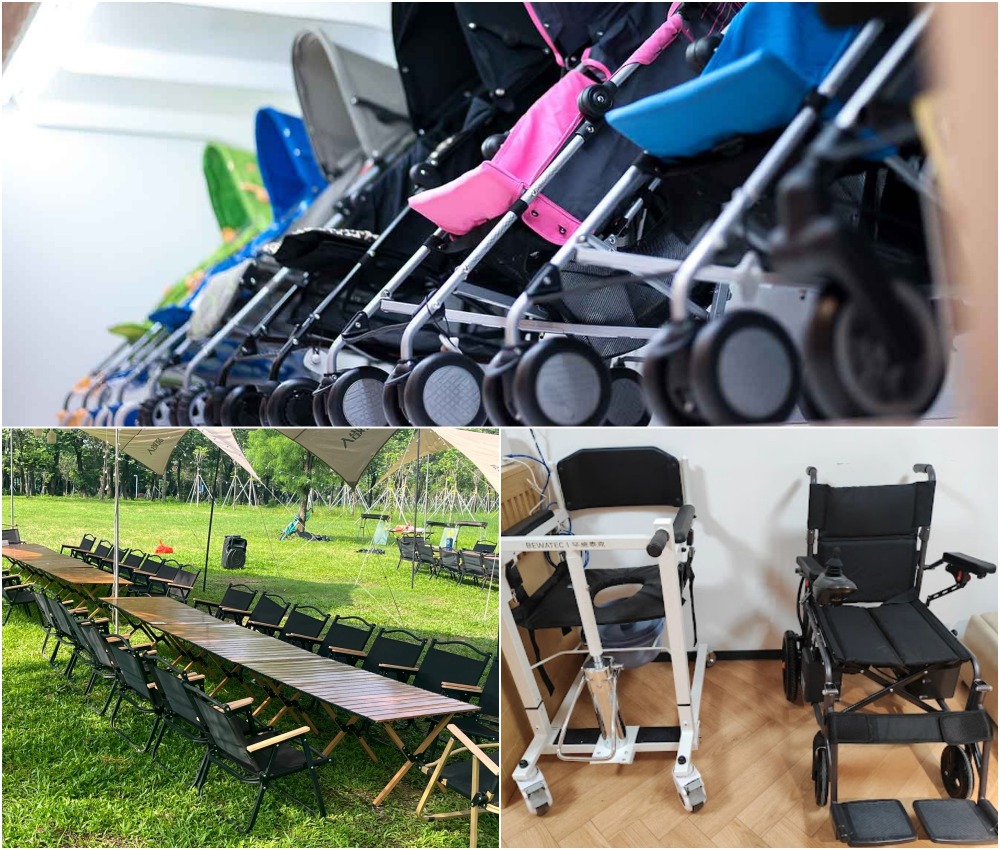
Firstly, the categories of rental products are more diverse nowadays. The rental economy has traditionally focused on ultra-high-value items such as house and car rentals, but now rental services cover an increasingly wide range of industries, extending to over 200 subcategories including digital products, office equipment, and robots.
Secondly, the rental methods and durations in the new rental economy are also more flexible and diverse, and placing an order is convenient and fast when people rent products.
In addition to physical rental shops, users can also place orders through online platforms with low or even no deposits. The platform sends out the product by courier, and the user returns it by courier after use.
Besides, rental platforms screen their products to guarantee quality and service, all of which holds a strong appeal for consumers.

Read more: Why do young people start to love exotic pet?
Rental consumption satisfies the "experience over ownership" mentality and is cost-effective
The aforementioned White Paper shows that, in rental consumption in 2024, orders from "post-00s" users surged by two times year-on-year, and users under the age of 30 accounted for over sixty per cent.
Why has the rental economy, which is dominated by young people, been able to develop so popular?
On the one hand, this is due to the shift in young people's attitudes towards consumption, which emphasises "experience over ownership" and tends towards satisfying immediate needs and pursuing novelty, and rental consumption fits this trend perfectly.
Young people who have grown up in a society of material abundance and the era of the sharing economy are increasingly discovering that liking something does not necessarily mean owning it, and that renting can also open the door to an ideal life.
Compared to the ownership of an item, they place more importance on whether an item is convenient to use and whether there are any worries after the fact.
This is not only a shrewd choice, but also a form of life wisdom suitable for contemporary young people.
In terms of consumption philosophy, young people view consumption as a process of acquiring emotional value and life memories, paying for an irreplaceable sense of experience rather than a simple commodity transaction.
Regarding consumption needs, young people have comprehensively upgraded from traditional survival-oriented needs to developmental needs and enjoyment-oriented needs.
As for consumption method preferences, young people prefer the flexible consumption method of "rent, use, and return anytime".
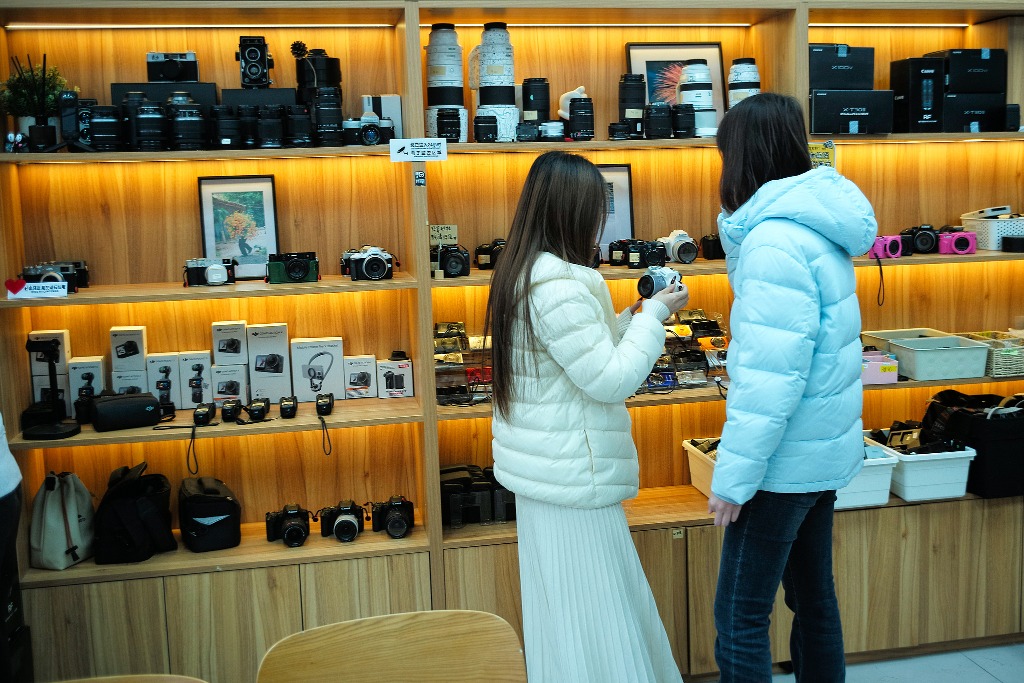
On the other hand, the rental consumption model is extremely cost-effective. Various digital products, such as outdoor cameras, drones, and single-lens reflex cameras, top the list of consumer rental preferences.
These products, which often cost thousands or tens of thousands of yuan, can be rented for a day for just a few tens of yuan.
For consumers, renting goods not only has a low trial-and-error cost but also eliminates the maintenance costs hidden beyond the product's price.
Renting can perfectly resolve the conflict between short-term needs and high unit prices, avoiding the regret and risk of idle items caused by impulse buying, and it also aligns with the concept of environmental protection.
Policies guide the standardised development of the rental economy
While the rental economy is rising rapidly, it also faces challenges such as prominent credit risks, crude operating models, and weak protection of rights and interests.
To continuously improve the consumer experience and promote the high-quality development of the industry, joint efforts from the government and businesses are needed.
On the government's part, in January 2026, the Ministry of Commerce and eight other departments issued the "Notice on Implementing Actions to Promote Green Consumption", which for the first time explicitly listed "second-hand goods rental" as a new form of consumption that the state will focus on supporting and cultivating.
This means that renting instead of buying is no longer just a spontaneous market behaviour, and the rental industry has entered a stage of standardised development guided by policy, becoming part of the national strategy to promote consumption.
At the same time, this efficient, circular consumption model has significantly improved resource utilisation efficiency, reduced carbon emissions, and is highly aligned with the national dual carbon strategy.
On the business side, it is necessary to optimise operational capabilities, cultivate a credit system with the whole of society, firmly secure the foundation of trust on which the rental industry depends for development, and popularise the concept of green consumption.
Only with the joint efforts of multiple parties can the new business model of "everything is rentable" progress steadily and go far, continuously injecting new green momentum into the expansion and upgrading of the consumer market.
Read more: Why are so many Chinese paying for companionship?